7 Best Deep Learning Courses for Teachers in 2026: Grading, Planning & Support
By Samuel G · · 11 min read
A teacher who wants to automate parts of grading and get faster insight into student work should start with a practical, code-first course like fast.ai’s free offering. If you need a recognised certificate and a broader foundation, the Deep Learning Specialization from DeepLearning.AI is the clearest next step. For a path built exactly around your own classroom goal, Upskili creates a personalised learning sequence that starts where you are.
Quick comparison
| Course | Provider | Best for | Level | Duration | Certificate | Cost |
|---|---|---|---|---|---|---|
| Practical Deep Learning for Coders | fast.ai | Applying DL to classroom tasks quickly | Not stated | 9 lessons, ~90 min each | Not stated | Free |
| Personalised learning path | Upskili (publisher of this guide) | A path built for your teaching goal | Not stated | Not stated | Not stated | Free to approximately $20, depending on AI token/credit usage |
| Deep Learning - Computer Vision for Beginners Using PyTorch | Packt | Hands-on beginners with basic Python | Intermediate | 1 week at 10 hrs/week | Shareable certificate | Check the provider's current pricing. |
| Deep Learning Specialization | DeepLearning.AI | A thorough, certified foundation | Intermediate | 127h29m | Earn a certificate with PRO | Check the provider's current pricing. |
| Deep Learning | Udacity | Project-based learners wanting a Nanodegree | Intermediate | 50 hours | Program Certificates | Subscription · Monthly |
| Machine Learning for Accounting with Python | University of Illinois Urbana-Champaign | Teachers working with structured school data | Intermediate | 6 weeks at 10 hrs/week | Shareable certificate | Check the provider's current pricing. |
| AI for Finance Specialization | Corporate Finance Institute | Automating spreadsheet and analysis workflows | Not stated | Self-paced | Blockchain digital certificate | Starting from $347.90 / year |
How we chose these courses
We picked courses that help a teacher solve a real classroom problem without requiring a computer science degree first. Each course on this list meets several of these criteria:
- Relevance to daily teaching tasks. The syllabus covers skills you can apply to grading, lesson differentiation, student progress analysis or feedback drafting.
- No unnecessary prerequisites. Some coding experience helps, but no course demands advanced mathematics or a prior machine learning background beyond basic Python.
- Hands-on practice. Every course includes projects, coding exercises or model-building with real datasets, not just video lectures.
- Clear cost. A stated price or a straightforward free tier, so you know the commitment before you enrol.
- A recognised certificate where it matters. Several offer a shareable or blockchain-verified certificate you can submit for professional development credit, subject to your school or district’s policy.
The list below runs from the most accessible starting point to the most specialised. Course details come from each provider’s own page, checked on the dates in the notes. We did not take the courses ourselves and have not tested, reviewed or rated them.
The 7 best deep learning courses for teachers, one by one
1. Practical Deep Learning for Coders (fast.ai)
Best for: teachers who already write a little code and want to apply deep learning to their own classroom data immediately.
This free course takes a top-down, code-first approach. Instead of starting with theory, you build and train models for computer vision, text analysis and tabular data in the first lesson. The nine video lessons each run about 90 minutes, and the forums are active with people solving similar practical problems.
What you’ll learn:
- Building and training models for computer vision and natural language processing
- Analysing tabular data (such as grade spreadsheets) with random forests and regression
- Deploying models using PyTorch, fastai and Hugging Face
- Creating collaborative filtering models
Worth knowing: The course assumes you are comfortable writing Python. If you have never coded, spend a few weeks on basic Python syntax first.
Cost and certificate: Free. No certificate is mentioned on the provider’s page.
2. Upskili: a personalised path for your goal
Best for: teachers who want a learning path built around their specific classroom goal, not a pre-written syllabus.
Upskili, the platform that publishes this guide, works differently from a traditional course. You state your goal—for example, “use deep learning to improve my teaching and save time on grading.” Upskili then assesses your current skill level and builds a path that teaches the skills you need, in order, adapting as you demonstrate what you have learned. It is an AI-powered, personalised sequence rather than fixed video lectures prepared for a broad audience.
Here is the path Upskili generated for the goal “use deep learning to improve my teaching and save time on grading”:
- Get Started with AI for Teaching: Explain what deep learning is and set up the tools you need to begin.
- What Deep Learning Can Do for You
- Set Up Your AI Teaching Toolkit
- Try Your First AI Grading Demo
- Automate Grading with Deep Learning: Set up and use AI to grade assignments accurately and efficiently.
- Use AI Insights to Improve Teaching: Analyse grading data to find patterns and adjust your teaching to help students learn better.
Every learner’s path differs. This example shows the shape of it, not a fixed programme.
What you’ll learn:
- Setting up a practical AI toolkit for teaching tasks
- Automating grading workflows with deep learning models
- Analysing grading data to spot class-wide patterns and individual student needs
- Adjusting instruction based on AI-generated insights
Worth knowing: Upskili is not a pre-made course with a fixed set of lessons. It works best if you have a clear, specific goal and want a path that adapts to your pace and prior knowledge.
Cost and certificate: Free to approximately $20, depending on AI token/credit usage. Certificate: Not stated.
3. Deep Learning - Computer Vision for Beginners Using PyTorch (Packt)
Best for: teachers who want a short, hands-on introduction to one concrete area of deep learning, with a shareable certificate at the end.
This one-week course focuses on computer vision using PyTorch. The syllabus moves from tensors and neural network basics through to convolutional neural networks and GPU acceleration. It is a narrow, technical starting point, but the hands-on format suits someone who learns by building.
What you’ll learn:
- Working with tensors and neural network fundamentals in PyTorch
- Building and training convolutional neural networks (CNNs)
- Understanding the LeNet architecture
- Using CUDA and GPU acceleration for faster training
- Applying AutoGrad for automatic differentiation
Worth knowing: The course title says “computer vision,” so it does not cover text analysis or the kinds of tabular data common in gradebooks. You will need to connect the vision techniques to your own classroom tasks yourself.
Cost and certificate: Check the provider’s current pricing. Offers a shareable certificate.
4. Deep Learning Specialization (DeepLearning.AI)
Best for: teachers who want a thorough, structured foundation from a well-known programme, and who plan to earn a certificate.
Taught by Andrew Ng, this five-course specialisation is one of the most widely recognised deep learning programmes online. It builds from neural network basics through to transformers, using Python and TensorFlow. The full workload is significant, but you can pace it over several months.
What you’ll learn:
- Neural network foundations and deep learning principles
- Building and tuning convolutional neural networks (CNNs)
- Working with recurrent neural networks (RNNs), LSTMs and Transformers
- Structuring and running machine learning projects
- Practical model tuning and optimisation
Worth knowing: At over 127 hours, this is a serious time commitment. If you are mainly interested in quick, practical classroom automation, a shorter course may get you there sooner.
Cost and certificate: Check the provider’s current pricing. Earn a certificate with a PRO subscription.
5. Deep Learning (Udacity)
Best for: teachers who learn best through project-based work and want a credential called a Nanodegree.
Udacity’s programme covers neural network architectures including CNNs, RNNs, Transformers, GANs and diffusion models. The projects are built in PyTorch and reviewed by human graders, which gives you concrete portfolio pieces. The monthly subscription model means the total cost depends on how quickly you finish.
What you’ll learn:
- Neural network fundamentals and key architectures
- Building CNNs, RNNs and Transformers
- Working with generative models (GANs and diffusion models)
- Completing hands-on projects in PyTorch
Worth knowing: The subscription is monthly. If you can only work on it during school holidays, plan your enrolment window carefully to avoid paying for idle months.
Cost and certificate: Subscription · Monthly. Offers Program Certificates upon completion.
6. Machine Learning for Accounting with Python (University of Illinois Urbana-Champaign)
Best for: teachers who work extensively with structured data—grade spreadsheets, attendance records, assessment scores—and want to apply machine learning to that kind of tabular information.
Despite the accounting label, this course teaches classification, regression, clustering, text analysis and time series analysis on business-style datasets. Those techniques transfer directly to analysing student performance data, grouping students by learning need or spotting trends over a term. The Python prerequisite makes it a fit for someone who has moved past the absolute beginner stage.
What you’ll learn:
- Applying classification and regression to structured datasets
- Using clustering to group similar data points
- Performing text analysis on written responses
- Running time series analysis on longitudinal data
- Evaluating and optimising machine learning models
Worth knowing: The datasets and examples are drawn from accounting and business contexts, not education. You will need to adapt the techniques to your own gradebook and assessment data.
Cost and certificate: Check the provider’s current pricing. Offers a shareable certificate.
7. AI for Finance Specialization (Corporate Finance Institute)
Best for: teachers who manage budgets, grants or resource planning alongside their teaching, or who want to automate spreadsheet-heavy administrative work.
This specialisation of eight courses covers financial statement analysis, scenario planning, risk assessment and Excel automation using AI. For a head of department or a teacher with a budget coordination role, the skills translate to faster reporting and data-driven resource requests. The blockchain digital certificate is a concrete credential.
What you’ll learn:
- Applying AI to financial statement analysis
- Automating scenario planning and risk assessment workflows
- Using AI for Excel automation and reporting
- Integrating AI into finance and administrative workflows
Worth knowing: The content is built for finance professionals. The direct classroom applications are limited unless your role includes significant budget or administrative duties.
Cost and certificate: Starting from $347.90 / year. Offers a blockchain digital certificate.
Which course should you start with?
Your choice depends on your coding comfort, your goal and the time you have.
If you are new to deep learning and want a free, practical start, begin with 1. Practical Deep Learning for Coders. Its code-first approach gets you building something useful in the first session.
If you want a path built exactly around your own teaching goal, try 2. Upskili. It works well when you know what you want to achieve—for example, cutting grading time or spotting struggling students earlier—and need the steps laid out for your specific starting point.
If you are short on time and want a quick, structured introduction, pick 3. Deep Learning - Computer Vision for Beginners Using PyTorch. It is the shortest course on the list and earns you a shareable certificate in about a week.
If you need a widely recognised certificate and a deep foundation, commit to 4. Deep Learning Specialization. The time investment is large, but the credential carries weight.
If you learn best by building projects with feedback, 5. Deep Learning (Udacity) gives you reviewed portfolio pieces and a Nanodegree.
If your main data lives in spreadsheets and gradebooks, 6. Machine Learning for Accounting with Python teaches the right techniques, even though the examples are from a different field.
If your role includes budget management or administrative reporting, 7. AI for Finance Specialization automates the spreadsheet work that eats into your evenings.
A learning path for teachers
You do not need to commit to one course forever. A sensible sequence moves from foundation to practice to specialisation.
Phase 1: Foundations. Start with a course that gets you building quickly. 1. Practical Deep Learning for Coders is ideal if you can write basic Python. If you prefer a path that adapts to your current level, 2. Upskili starts wherever you are and builds toward your stated classroom goal.
Phase 2: Hands-on practice with your own classroom tasks. Once you understand the basics, apply them to your own data. Take the skills from Phase 1 and work on a specific problem: drafting feedback on short-answer questions, grouping students by common errors or predicting which students might need extra support. A project-based course like 5. Deep Learning (Udacity) works well here, as does continuing with your Upskili path into its later stages.
Phase 3: Specialisation. Depending on where your work takes you, specialise. If you are analysing grade spreadsheets and assessment trends, 6. Machine Learning for Accounting with Python teaches the right techniques. If your role includes budget and resource planning, 7. AI for Finance Specialization automates those workflows. The goal is to pick the course that matches the data and decisions already on your desk.
Where deep learning fits in a teacher's work
Deep learning does not replace teaching. It handles repetitive, pattern-based tasks so you can spend more time on the human parts of the job. Every output still needs your professional review.
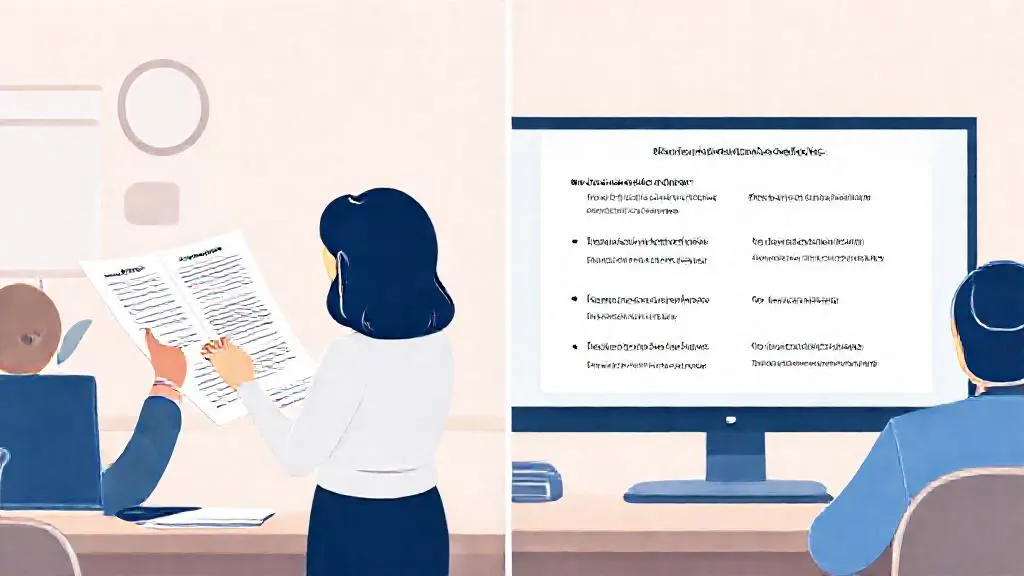
Lesson planning and curriculum design. A model trained on your past lesson plans can suggest differentiated question sets for three reading levels in a Year 9 history unit. For example, you upload your core lesson outline and the model returns a set of comprehension questions at foundation, core and extension levels. You review each set, adjust the wording to match your students and slot them into your plan. The model drafts; you decide.
Grading and feedback. This is where the time saving is most immediate. Suppose you have 90 short-answer responses to a science quiz. You train a model on your own graded examples from the previous term. The model reads each new response and drafts a two-sentence comment identifying what the student understood and what they missed. You read every comment, personalise the tone and correct any misreads before returning the work. AI output needs a teacher's review and cannot replace your professional judgement of a student's understanding.
Student support and early intervention. A model can flag patterns in engagement data—a sudden drop in homework completion, consistently low scores on a particular skill, irregular attendance—that might otherwise take weeks to spot. You combine those flags with what you know about the student's circumstances and decide whether to have a conversation, adjust seating or refer them to pastoral support. The model spots the pattern; you make the professional call.
How to decide where to start
Start with the course that matches your most urgent classroom problem, not the most impressive syllabus. If grading takes too much of your weekend, pick a course that gets you to a working feedback model quickly. If your school requires documented professional development hours, pick one with a certificate. If you have a very specific goal and want a path that adapts to you, Upskili builds that path from your own starting point. Create a personalised deep learning path for teachers.
Frequently asked questions
Will AI replace teachers?
No. Deep learning can automate repetitive tasks like grading multiple-choice or spotting patterns in student data, but it cannot build relationships, manage a classroom, understand a student's emotional state or design a curriculum that responds to the unique culture of a school. The teacher's judgement, empathy and presence remain central.
Do I need to know how to code for these deep learning courses?
For most courses on this list, yes. Basic Python is listed as a prerequisite or a strong recommendation for the majority. The fast.ai course is designed for coders, and the specialisations build on that foundation. If you have never coded, start with a short Python introduction before enrolling.
How can deep learning actually save me time on grading?
A model can be trained on your past graded assignments to draft initial feedback on short-answer questions, suggest a score for an essay based on a rubric, or group similar errors across a class. You then review, adjust and personalise the output. The time saving comes from not starting each piece of feedback from a blank page.
Are these courses recognised for teacher professional development credits?
Some courses offer shareable or blockchain-verified certificates that you can submit to your school or district for consideration. Whether they count toward your specific continuing education requirements depends on your local licensing body. Check with them before enrolling if credits are your main goal.
Which course is best if I have no budget?
fast.ai's Practical Deep Learning for Coders is completely free and built around applying deep learning to real problems. You can work through its nine lessons using your own classroom data. The only cost is your time.
Can I use deep learning tools with student data without breaking privacy rules?
You must follow your school's data protection policies and relevant laws. Running models on your own machine with anonymised data is one way to start safely. Never upload identifiable student information to a public cloud service without explicit, written approval from your administration.
What if I try a course and find it too technical?
Step back to a more foundational course. The fast.ai course starts from a practical, code-first approach and is often more forgiving than theory-heavy programmes. If even that feels steep, spend a few weeks on basic Python first. The goal is to get one small classroom task working, not to master the theory.
Does Upskili replace these courses?
Upskili is a different approach: it builds a personalised learning path around your specific goal, such as using deep learning to improve your teaching. It is not a fixed, pre-written course. It suits people who want a path that adapts to what they already know and what they need next, rather than working through a standard syllabus.
Turn this into a plan for you
Tell Upskili what you want to be able to do. It works out the skills involved, starts from what you already know, and teaches them in order, adjusting as you go.
Start with your goalSources
- Deep Learning - Computer Vision for Beginners Using PyTorch, Packt via Coursera
- Deep Learning Specialization, DeepLearning.AI via Coursera
- Deep Learning, Udacity
- Practical Deep Learning for Coders, fast.ai
- Machine Learning for Accounting with Python, University of Illinois Urbana-Champaign via Coursera
- AI for Finance Specialization, Corporate Finance Institute